John Gear Law Office & Salem Consumer Law    503-569-7777
  • Welcome
  • Services Offered
  • Finding My Office
  • Law for Real People blog
  • Useful links

You can apply for food, cash and other assistance from home during Oregon two-week freeze

11/19/2020

0 Comments

 
All Oregonians can apply for food, cash and child care assistance provided through the Oregon Department of Human Services (ODHS) from home without having to visit an office in person.

To apply from home, visit

                                  govstatus.egov.com/or-dhs-benefits

for information on how to apply for assistance using an online application, email, mail, telephone or application drop off.

Oregonians who need urgent and ongoing food assistance can visit needfood.oregon.gov.

For more ways to connect with ODHS or to find other types of assistance, contact 211info:
  • By dialing 2-1-1 from any phone
  • Text your zip code to 898211
  • By email at [email protected]
  • 211info.org
  • covid19.211info.org
0 Comments

Reminder of why we must remain in COVID mode for the long haul

10/21/2020

0 Comments

 
Picture
0 Comments

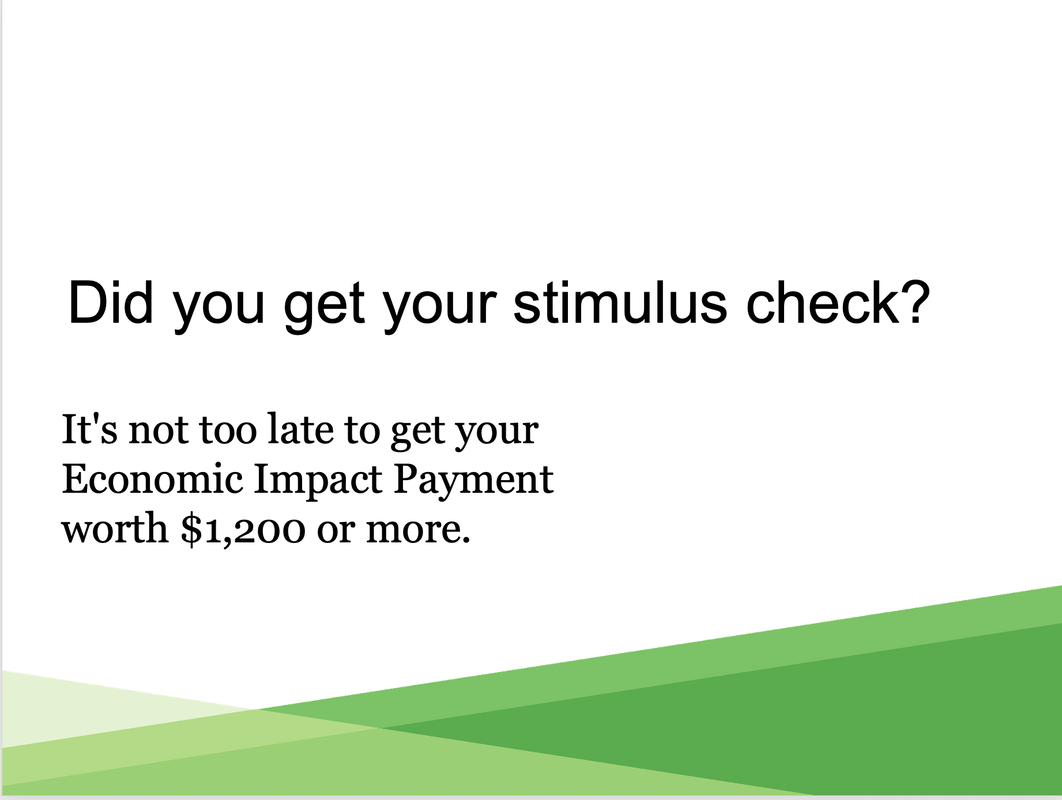
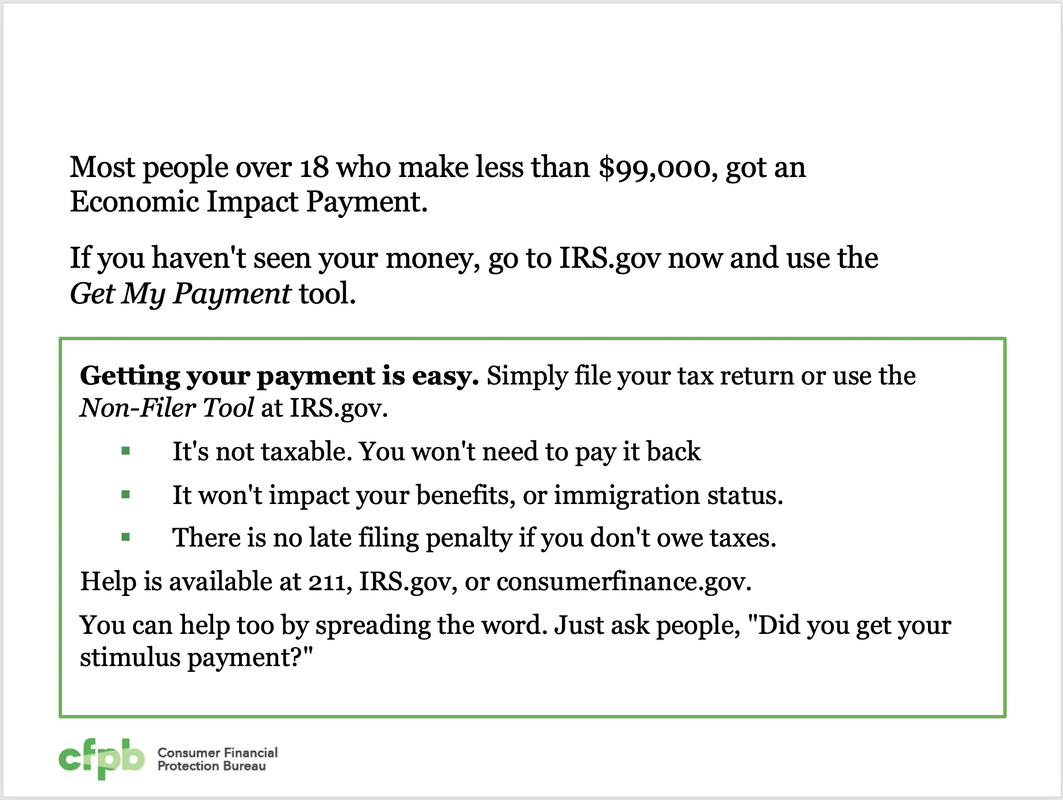
Do you know any adult who didn't get the $1200 COVID Impact Check?

10/8/2020

0 Comments

 
Deadline to get your payment has been extended until 21 November 2020 -- so if you are an adult who didn't receive the $1,200 check or direct deposit, make sure you don't miss out!  Free money doesn't come along often, this is one time when it sounds too good to be true but it really is true -- $1,200 per adult, but you have to make sure they know how to get your money to you.
Picture
Picture
0 Comments

Useful Info on Avoiding Scams after the Wildfires

10/2/2020

0 Comments

 
Some shady folks look at disasters and see dollar signs. Oregon DOJ has some useful information to help you keep from becoming a victim to those folks.  You can download them below.
0 Comments

Vets need help year round, not just in November

9/23/2020

0 Comments

 
No Veteran Should Be Without a Place to Call Home
Free Help for Homeless Veterans Dial 1-877-4AID-VET (1-877-424-3838) for 24/7 access to VA services for homeless and at-risk Veterans

Homeless Veteran Chat Confidential, 24/7 online support for homeless Veterans and friends

https://www.va.gov/homeless for more information

Are You a Veteran in Crisis or Concerned About One? 
Did you know that VA offers same day services in Primary Care and Mental Health at 172 VA Medical Centers across the country? Make the Connection Resource Locator
Contact the Veterans Crisis Line (1-800-273-8255 and press 1, Chat, or Text 838255.)
0 Comments

Spear Phishing -- when a quick click can cost you a fortune

9/22/2020

0 Comments

 
"Spear Phishing" or just "Phishing" is the term for email-based internet attacks by scammers where they trick you into clicking on a seemingly safe link or attachment in an email and that then causes all hell to break loose. There is pretty much no limit to the kinds of nasty things that can result, from infecting your computer and remailing the attack to everyone in your address book to locking up your computer entirely unless you pay thousands in ransom.

There's no easy answer to protect yourself. The open nature of email means that anyone who has your address (or has a computer capable of generating millions of addresses randomly) can send you a spear phishing email.

Thus, the only real solution is learning to be extremely skeptical of any emails you weren't expecting and always remembering to keep your hands away from the mouse -- that is, DO NOT CLICK on any unexpected email links or attachments unless and until you have verified (preferably from a trusted person known to you) that you aren't about to do the internet version of stepping on a land mine.

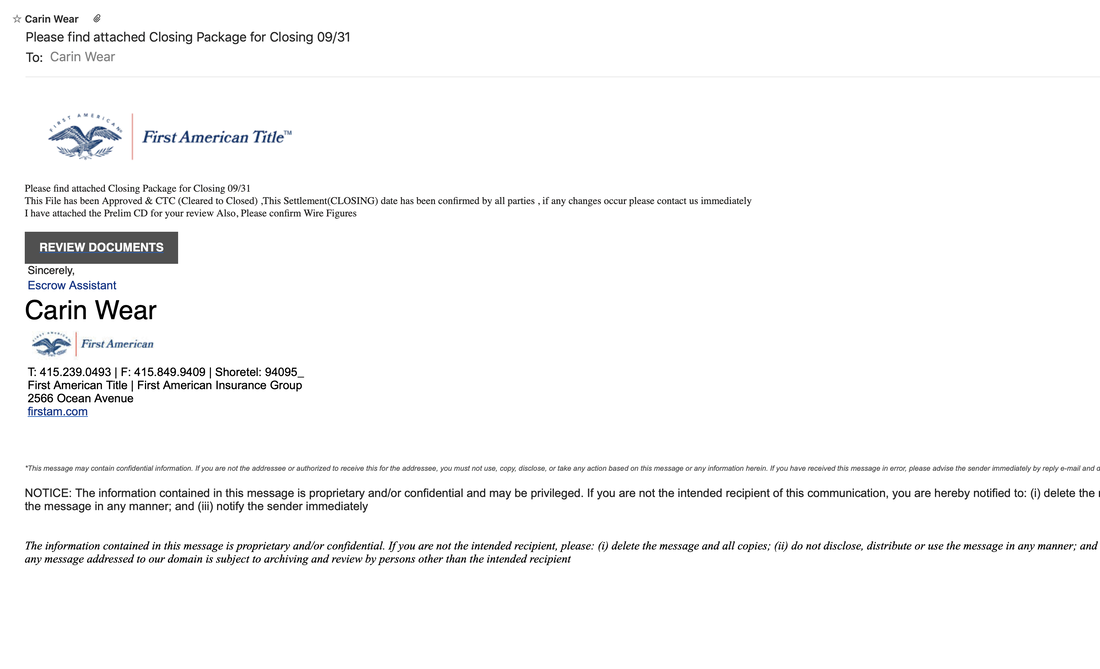
Today I got a pretty formidable phishing example that made me think the scammers are getting better all the time. And this one was extra potent because I have been dealing with First American Title lately. The scammers don't know that -- they sent this to millions of people, and of millions of people, some share of them are going to be dealing with any large company (such as First American, or Chase Bank, etc.). See below.

Luckily, the scammers are still not fully up to par -- and I know that September only has 30 days (the "9/31" was what first tipped me off to the fact that this email was just another scammer trying to make a buck at my expense). There are many other, more subtle, clues that this is a fraud (notice that there is no city or state in the address block for "Carin Wear," to name just one).

But, even with those errors, this is several times more convincing than the phishing attacks I used to get, and it suggests that it's just a matter of time until I am fooled.

The only thing that will protect me then is if I remember to stop before clicking and to get on the phone and call the local branch of whatever institution is supposedly sending me this email, and verify verify verify before clicking anything.

So, I urge you to join me in my rule: Assume any unsolicited or unexpected email is a ticking time bomb just hoping to explode on you. So never click attachments. Contact the supposed sender (NOT using the contact info in the email), and ask that the files be shared another way.


Picture
0 Comments

Don't fall for a Foreclosure "Rescue" Scam -- BBB article helpful

8/18/2020

0 Comments

 
Straight Talk: Don’t fall for foreclosure rescue scams

By Better Business Bureau
Posted Aug 9, 2020 at 11:00 AM

Are you facing the threat of losing your home? Be wary of individuals and companies offering to “help” you out of your difficult financial situation. Consumer advocates report an increase in complaints about foreclosure “rescue” scams. These scams specifically target homeowners who are in financial distress. Scam operators may advertise over the Internet and in local publications, plaster posters on telephone poles and at bus stops, stick flyers in people’s front doors or contact people whose homes are listed in public foreclosure notices. Sometimes they direct their appeals to specific religious or ethnic groups.

 
HOW THE SCAM WORKS
In one scenario, the scam operator offers to “buy” the homeowner’s property by paying off the amount that is overdue on the loan. The scammer convinces the homeowner to deed the property over to a third party. The homeowner is given the option of renting the property with the option to buy it back later. The rent payment on the home is often higher than the homeowner can afford. Frequently, the original homeowner cannot make the rent payment and is evicted from their home. Or, if the homeowner expresses a desire to buy back the property, the scam operator usually sets the price of the home higher than the homeowner can afford.


Hapless homeowners can lose their equity and their homes. Sometimes, the homeowner’s troubles go even deeper. In many cases, the initial mortgage has not been paid off and the deed was never transferred, as promised. Not only is the homeowner faced with eviction from the home, but the scam victim may still owe for the original loan amount.


In other versions of the scam, the homeowner receives a call, text, or email with the promise of lowering the mortgage payment and avoiding foreclosure. The scammer sometimes asks for payment for their services in the form of personal checks or gift cards. A recent victim in Ohio reported to BBB Scam Tracker that she sent $3000 in Walmart gift cards to a scammer asking for payment to help lower her interest rate.


The Better Business Bureau advises consumers who are tempted by such offers to recognize that they are at real risk of losing money, equity, their home or all three.


Tips to help if your mortgage is in arrears or you are facing foreclosure:
‒ Talk to your lender. Ask how to restructure your loan payment or how to refinance. Some foreclosure “rescuers” will offer to “negotiate” with your lender or lawyer. Know that such an offer is likely to involve a significant fee. If you are hesitant to talk to your lender yourself, engage the assistance of a trusted family member.
‒ Try selling the house on your own to pay off the lender. Signing over a deed in no way releases you from your mortgage responsibilities!
‒ Don’t allow anyone to complete paperwork for you, or ask you to sign a stack of documents, supposedly to secure a new mortgage. Victims have later learned that they signed a quit-claim deed to their home.
‒ Beware the personal approach. Some less-than-ethical businesses will stuff a handwritten note in your front door or mailbox that implies that “help” is available from someone you know or who has your best interests in mind. Foreclosure scam artists know exactly what neighborhoods to blanket with their offers.
‒ If a foreclosure “rescuer” instructs you not to contact your mortgage company or your attorney, beware. Your mortgage company is the very business that you should be in touch with! Furthermore, why would you agree to cease contact with your attorney when dealing with complicated financial matters that involve perhaps your biggest investment, your home?
‒ You should never sign a contract under pressure and never sign away ownership of your property when you don’t intend to sell it. Ask a trusted family member, your attorney or a financial professional to review any paperwork you may be asked to sign.
‒ Never pay with gift cards. A reputable company will not ask for payment via a gift card.
‒ Before signing any deals with a potential buyer, contact BBB to request a report on the company and check with your state Attorney General and local government department of consumer affairs.
‒ Seek foreclosure prevention information. Try calling the HOPE hotline, 888-995-HOPE, for free foreclosure prevention information, or visit their website at 995hope.org. According to the National Conference of State Legislatures website, the HOPE hotline is operated by the Homeownership Preservation Foundation, a nonprofit “dedicated to preserving homeownership and preventing foreclosure.”


FOR MORE INFORMATION Read more about housing scams in BBB’s Scam Alert on Home Title Fraud. This can be found at www.bbb.org/article/news-releases/22679-bbb-alert-home-title-fraud. If you encounter a scam, we ask that you report it to BBB.org/ScamTracker to help warn others.

0 Comments

More Proof that Companies Use Forced Arbitration Because They Want to Evade the Law, not "streamline" it

7/6/2020

0 Comments

 
Reuters carries a good "hoist on their own petard" story about textbook company CHEGG, which imposes a forced arbitration clause on students using its products. When CHEGG's negligence exposed the sensitive financial information of thousands of students, some filed suit, and CHEGG obtained a ruling that they all had to be kicked out of court and go file in arbitration.

And guess what, more than 15,000 of them did.

Suddenly CHEGG sees the wisdom of class actions, which allow people with similar cases to band together to have one procedure determine the result for all, at far less expense. Except that CHEGG also imposed a class action ban along with its forced arbitration clause!  

So now CHEGG is trying to evade the $7.5 million arbitration filing fee it agreed to pay for all those students it forced to file arbitration demands.

More proof (as if more was needed at this point)  that companies don't use forced arbitration for any of the reasons they claim they do -- it's not "better for our customers" or any of that crap these companies like to spew. They use forced arbitration because, most often, consumers will throw up their hands and walk away, letting the wrongdoers keep their ill-gotten gains.

But in this case, CHEGG's greed is going to get the better of them.  Good.
The background: As I told you in May, the plaintiff firm Z Law filed a class action in 2019 on behalf of millions of Chegg customers whose personal information was allegedly compromised in a 2018 data breach. Chegg’s lawyers at Orrick Herrington & Sutcliffe moved to compel arbitration, citing a mandatory arbitration provision in the user agreement its customers are required to accept. In April 2020, U.S. District Judge Richard Bennett of Baltimore granted Chegg’s motion.
Z Law then filed more than 15,000 individual demands at the American Arbitration Association, asserting a claim of $25,000 for each Chegg customer. Z Law principal Cory Zajdel told me at the time that he sent six boxes of filings, containing individual demands by all of his 15,000 clients, to Chegg, hoping to foreclose arguments that his clients were not Chegg customers or did not exist.

In June, according to a July 1 letter from Zajdel to the AAA, the arbitration service instructed Chegg to pay about $7.5 million in fees to launch the arbitrations. (Chegg’s arbitration clause requires the company to pay the initial fees.)

I should say here that Chegg counsel Douglas Meal did not respond to my detailed email request for comment, so this account is based on Zajdel’s letter to the AAA.

Instead of paying the requisite fees and beginning the process of arbitrating with its customers, Chegg said those customers had breached their user agreements by asserting frivolous or improper demands for arbitration. Chegg unilaterally purported to terminate the agreements. The company then informed AAA that it was under no obligation to arbitrate with those customers, or, for that matter, to pay any fees associated with their arbitration demands.

0 Comments

Nice resource for Oregon Legal Research - Integrated, Readable Online Statutes and Administrative Rules

6/18/2020

0 Comments

 
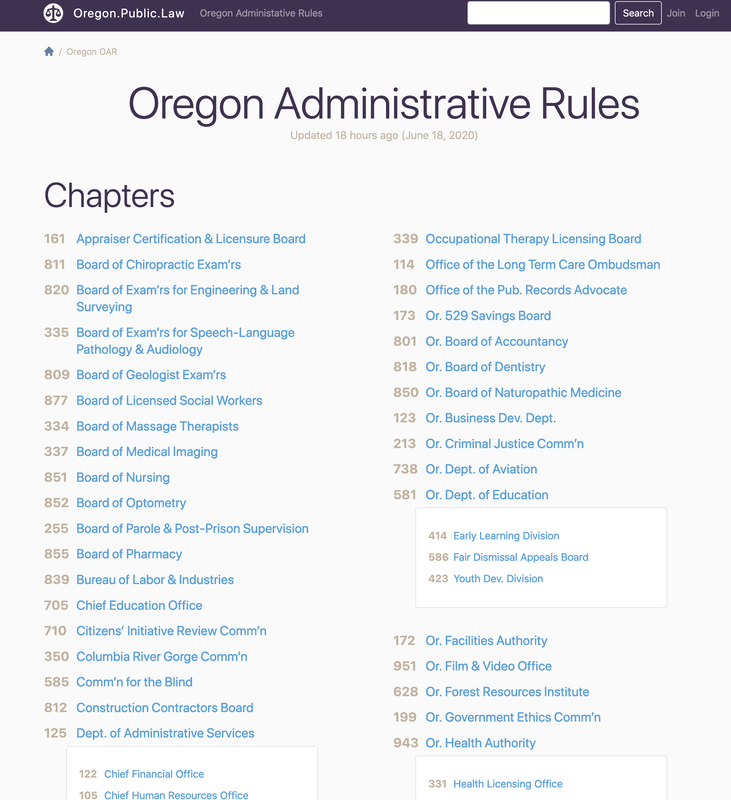
Coder-turned-Attorney Robb Shector has further enhanced his first big online laws project from his law school days, the excellent online Oregon statutes  depository (Oregonlaws.org). Robb has made that even more valuable by coming up with a way to provide a very smooth integration with the statutes from his version of the online Oregon Administrative Rules (OARs). Robb's OARs database now provides hotlinks to statutes so you can easily go check the statutes as you are researching the rules and then easily return to the rules.

You can see Robb's administrative rules set here: https://oregon.public.law/rules (photo below of the entry page).

Having worked with others (I don't have the technical chops to do the coding myself) to bring readable OARs to Oregonians for a long time (see OregonAdminRules.org tab at top of page), I know Robb put in an awful lot of work.

Hats off to Robb for bringing this home at last. It's pathetic that the State of Oregon publishes statutes and rules in such a poorly designed format (all left-justified text that is all but impossible to use without extensive manual reformatting).

It would require little or nothing by the state to give Oregonians these important publications in a clear, always-up-to-date, easy to use form, as Robb has shown.
Picture
0 Comments

Another great resource for your COVID-related legal questions

4/18/2020

0 Comments

 
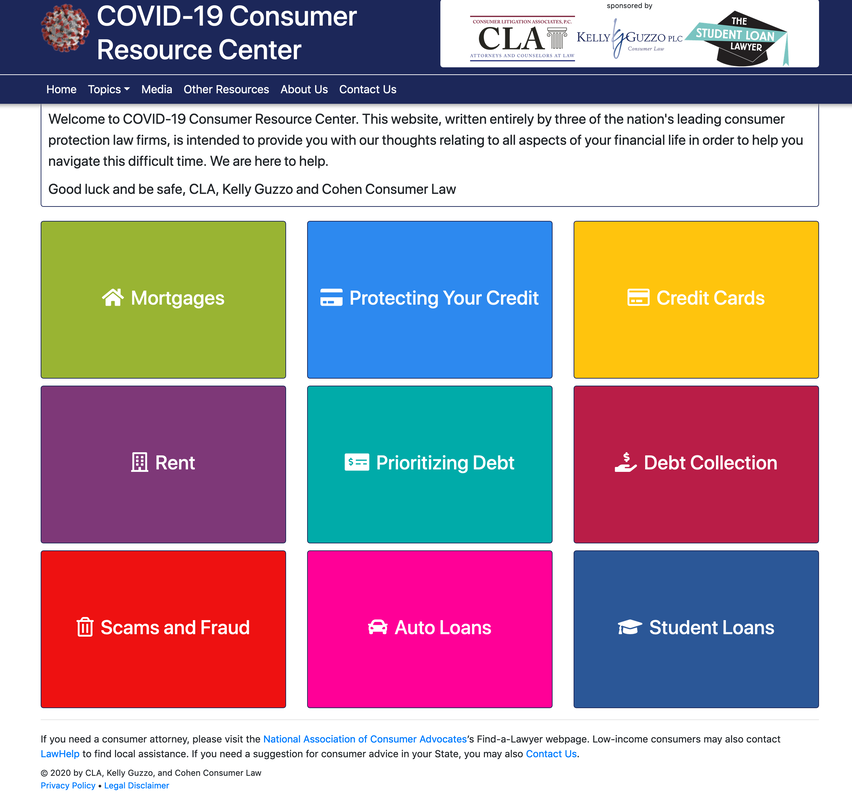
Picture
Links to http://www.consumer.law/
0 Comments

Oregon's Gov. Brown bars creditor garnishments of CARES checks

4/18/2020

0 Comments

 
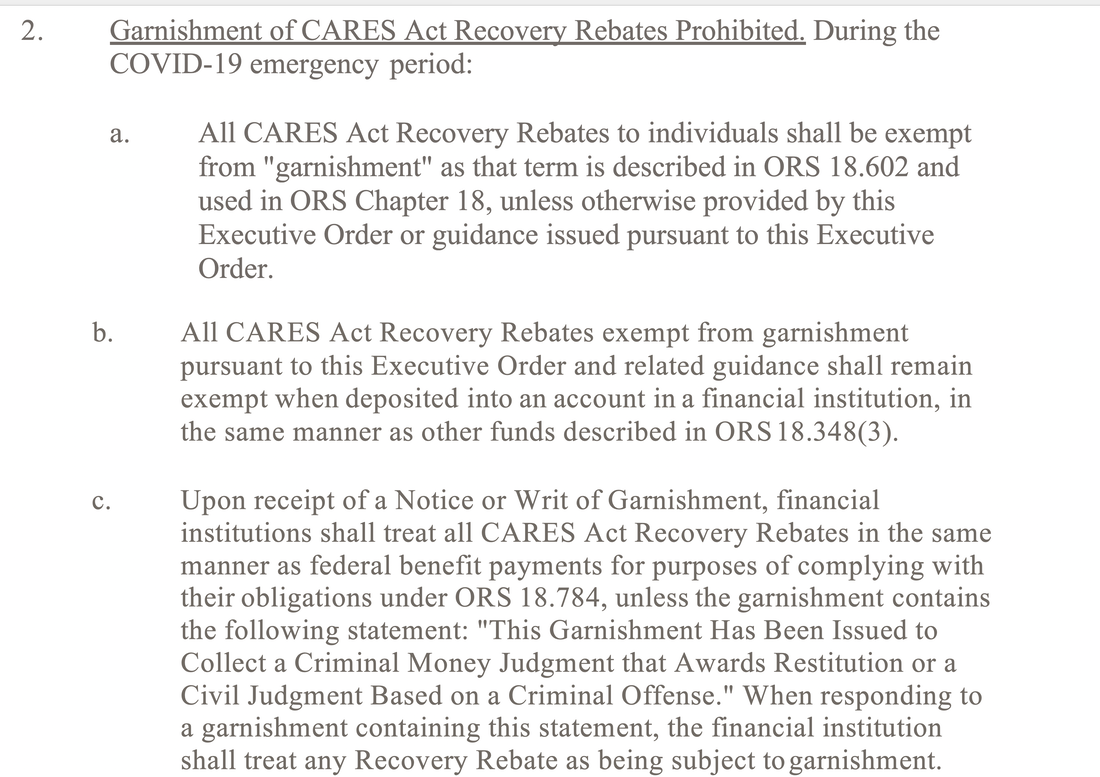
The Governor has wisely ordered that any Oregonian's CARES check be free from garnishments by creditors (except for restitution garnishments for criminal justice debts) during the COVID-19 emergency. The top picture is the key provision. If you want the full text and all the details and definitions, the full order is shown below that and you can download it by clicking on the down-facing arrow.

Kudos to Gov. Brown for acting to help Oregon families survive this crisis in this critical period.
Picture
0 Comments

Got COVID Stimulus Payment Questions?  NCLC has a FAQ for that!

4/16/2020

0 Comments

 
Picture
The good people at the National Consumer Law Center (NCLC.org) are constantly tracking and updating reliable information about the economic response to the COVID-19 pandemic. They have put together a document with list of frequently asked questions about the $1200 payments, including the most common one about whether these payments are vulnerable to garnishments) (#7 below).

I would bookmark their FAQ page and their more comprehensive COVID-19 page if you have other questions.

FAQs on Stimulus Payments
By National Consumer Law Center
Updated April 15, 2020

Need legal help? Find a civil legal-aid office (income eligible) in your state or see the website of the National Association of Consumer Advocates to find an attorney in your state (search by subject area and licensed to practice). 

The Coronavirus Aid, Relief, and Economic Security Act (CARES Act) authorizes stimulus payments (also called “recovery rebates” or “Economic Impact Payments”) to certain individuals.  See § 2201 (pp. 55-60). Official information on these payments is at https://www.irs.gov/coronavirus  (click on “What you need to know about payments”), which is being regularly updated.   Other lists of FAQs are available at the New York Times.

The FAQs below are our best attempt to answer questions we are getting but please check the IRS website, which is updated regularly, for official information.  Notify us of any errors at consumerlaw[at]nclc.org. More information about responses to the economic crisis are on NCLC’s COVID-19 & Consumer Protections page.

THE QUESTIONS: (Answers at https://docs.google.com/document/d/1qDSnSg_AXvzOCyegmJoX6h3_ljN-In9S/preview)

  1. When will the payments go out?
  2. Who is eligible for payments?
  3. How much am I entitled to?
  4. I haven’t gotten a payment yet. How can I get my money quickly?  
  5. I accidentally used the non-filer portal but I’ve discovered I need to file a tax return. What should I do?
  6. I don’t have to file a tax return. How will I get my money? 
  7. Can debt collectors, banks, or the federal government take my payment to cover back debts?  What can I do to prevent my payment from being garnished?
  8. The account that I got my 2018 tax refund in is closed. What will happen to the money?
  9. I receive Social Security, SSDI, SSI, or Railroad retirement and have dependents.  How can I get the extra $500 for my dependents?
  10. I received my 2018 or 2019 tax refund through a tax preparer prepaid card or through a tax refund anticipation check (RAC) or tax refund anticipation loan (RAL). How will I get my stimulus payment?
  11. I want to open a bank account for direct deposit but I have a negative history with an account screening agency. What can I do so that I don’t have to wait for a paper check?
  12. I changed my address or bank account since my 2018 or 2019 tax return. How do I notify the IRS of the change?
  13. I don’t have a bank account. Can I use a prepaid card, mobile debit card account ,or digital wallet? 
  14. Will the IRS use the Direct Express card or another prepaid card? 
  15. What do I do if I didn’t get my money?  
  16. Will the payments affect asset limits used for eligibility for public assistance?
  17. I am in bankruptcy. Are the payments considered income or can my creditors grab the payment?

0 Comments

Outstanding FREE Online Resource "SURVIVING DEBT" to read if you are struggling financially due to COVID-19 (or for any other reason)

4/6/2020

0 Comments

 
Picture

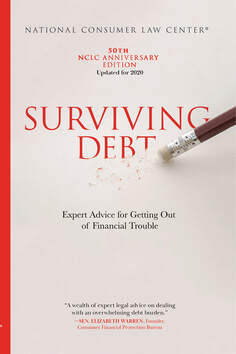
The heroes at the National Consumer Law Center (NCLC.org) have made their comprehensive 50th Anniversary guide for debtors called “Surviving Debt” available at no charge for ANYONE.

This is an outstanding resource for ordinary folks who don’t want to try to read law books or statutes etc.  It’s in clear, plain English.  I have given away more than two dozen copies to friends and clients and it’s usually the first book I reach for when someone has a question about how to manage their debts of ANY kind.


While you isolate in place, if you are worried at all about your finances, take the time to read the first 10 short chapters and then the chapters for your type of debts. So you don't have to read it all -- just the first couple chapters and then the chapters that pertain to your type of problem.

(And if you yourself are able to make a contribution to NCLC, they would welcome it and put it to good use.)

Find it here:  https://library.nclc.org/SD


  • Chapters
    • Glossary
    • Chapter 1 Six Essential Rules for Surviving Debt
    • Chapter 2 Responding to Debt Collectors
    • Chapter 3 What You Need to Know About Your Credit Report
    • Chapter 4 Collection Lawsuits
    • Chapter 5 Taking Out New Loans to Pay for Old Debts
    • Chapter 6 Reverse Mortgages
    • Chapter 7 Choices to Avoid at All Costs
    • Chapter 8 Reducing Your Expenses
    • Chapter 9 Options for Increasing Your Income
    • Chapter 10 Keeping Track of Income, Expenses, and Debt
    • Chapter 11 Medical Debt
    • Chapter 12 Credit Card Debt
    • Chapter 13 Student Loans
    • Chapter 14 Car Loans and Repossessions
    • Chapter 15 Utility Terminations
    • Chapter 16 What Every Homeowner Should Know About Mortgage Payments
    • Chapter 17 When You Are Having Trouble Making Mortgage Payments
    • Chapter 18 Defending Your Home from Foreclosure
    • Chapter 19 Property Taxes and Tax Sales
    • Chapter 20 Evictions and Getting Out of a Lease
    • Chapter 21 Civil Court Judgment Debt
    • Chapter 22 Debts Related to Criminal Law
    • Chapter 23 Federal Income Tax Debt
    • Chapter 24 Deciding Whether and When to File Bankruptcy
    • Chapter 25 How the Bankruptcy Process Works
0 Comments

Email to Clients RE: Coronavirus Response - Just sent to a bunch of folks

3/26/2020

0 Comments

 
Picture
You are receiving this because you are a friend or are/have been a John Gear Law Office client.  

This is to share two posts I made to my office blog, which are to provide you with important information about financial protection during the aftermath of this unique situation.

http://www.johngearlaw.com/law-for-real-people-blog/please-watch-if-you-need-relief-from-your-bills-during-covid-19-slowdown 


That link is to my work blog, where I posted a good video of tips for preserving your ability to borrow during and after the COVID-19 situation. Created by a fellow consumer attorney in the National Association of Consumer Advocates. This may be especially helpful for younger folks whose credit is more precarious than elders who are more established.

The second link is a link to repost of a press release from Oregon concerning mandatory relief for Oregonians on insurance contracts and claims:

http://www.johngearlaw.com/law-for-real-people-blog/oregon-covid-19-insurance-firms-must-extend-premium-claim-deadlines-and-state-offers-help-desk-you-can-call-with-questions

I hope you find this information useful; feel free to forward this or repost these links. 

Note that this isn’t legal advice - if you want to consult with me about your particular situation, you should call to arrange a phone consult. (I wish I could offer them free, but the economics of my practice don’t allow it.)

ALSO: 

This crisis has made many people conscious of the need to finish their estate plans!

Note that Oregon attorneys are working with the state of Oregon to see if there is a way to allow estate planning and other documents to be notarized through remote video applications such as Zoom or FaceTime. 

If you want to discuss your estate planning, please feel free to call and leave a message with your number and the best time for me to reach you.

Even if we can’t get “remote notaries” worked out, it is better to have a will in place and signed than not.  (Wills don’t actually get notarized anyway - it’s the signatures of the witnesses that typically are notarized. Wills are valid if executed and witnessed properly under Oregon law.)
===========

The optimal outcome to this challenge will be reached if everyone assumes that they already HAVE the coronavirus, and that the goal for each of us is to prevent giving it to other people. Even if we might ourselves survive the illness, if we overwhelm the capacity of our healthcare system, far too many people will suffer needlessly, some fatally.

Cordially,
John Gear
John Gear Law Office, LLC
SalemConsumerLaw.com

A values-based Oregon law practice serving
Consumers - Elders - Employees - Nonprofits

503-569-7777 tel ~ 503-206-0924 fax 

0 Comments

OREGON & COVID 19: insurance firms must extend premium & claim deadlines; and State offers help desk you can call with questions

3/26/2020

0 Comments

 
State issues grace period order for insurance deadlines

Salem – The Oregon Department of Consumer and Business Services issued a temporary emergency order today in response to the COVID-19 outbreak. It requires all insurance companies to extend grace periods for premium payments, postpone policy cancellations and nonrenewals, and extend deadlines for reporting claims.

The COVID-19 outbreak has caused widespread business closures, job losses, and social distancing measures. This severe disruption to business in the state includes some Oregonians’ ability to make insurance premium payments, report claims, and communicate with their insurance companies.

“During this crisis, we must all do our best to help Oregonians focus on staying healthy, care for their families, and prevent the spread of the coronavirus,” said Andrew Stolfi, insurance commissioner. “Many of our insurers have already stepped up and done the right thing. This order will ensure every Oregonian who needs it has relief from these insurance policy terms, giving them a measure of security and stability.”

Insurance companies must take steps immediately to do the following until the order is no longer in effect:

  • Institute a grace period for premium payments on all insurance policies issued in the state
  • Suspend all cancellations and nonrenewals for active insurance policies
  • Extend all deadlines for consumers to report claims and communicate about claims
  • Provide consumers the ability to make premium payments and report claims while maintaining safe social distancing standards

The order is effective immediately, and will be in force through at least April 23. If necessary, the department may extend the duration of this temporary order.

If Oregonians have questions or concerns about their insurance company or agent, they can contact the department’s advocacy team at 888-877-4894 (toll free) or visit dfr.oregon.gov for more information or to file a complaint.

For insurance and financial services information related to COVID-19, visit the department’s website:
https://dfr.oregon.gov/insure/health/understand/Pages/coronavirus.aspx. 

0 Comments

Please watch if you need relief from your bills during COVID-19 slowdown

3/26/2020

0 Comments

 
Fellow consumer attorney Ian Lyngklip of Michigan produced this helpful video that you should watch if you are stressed about bills during work interruption from COVID-19.
0 Comments

MUST WATCH if you are considering using a "Debt Relief" company

2/21/2020

0 Comments

 
0 Comments

Good Advice if you Have Medical Debt

2/17/2020

0 Comments

 
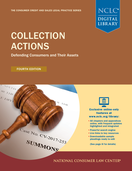
PictureImage of Cover of "Collection Actions: Defending Consumers and Their Assets" Fourth Edition by NCLC (National Consumer Law Center)

Guide to Reducing Hospital Bills for Lower-Income Patients
by Andrea Bopp Stark

As described below, hospital debt poses a significant problem for millions of Americans. This article provides a nine step approach for lower-income patients seeking to eliminate or reduce hospital debt.

Medical Debt Is a Widespread and Serious Problem

More than 27 million Americans lack any health insurance—58% of low-income working adults, 44% of young adults, and 35% of Latinx adults. In addition, almost 50% of nonelderly adults have insurance that requires high deductibles and significant out-of-pocket costs. In recent years the number of Americans uninsured or underinsured has been growing.

As a result, a high number of families are burdened with medical debt:
  • • 20% of uninsured adults went without needed medical care in 2018 because of the cost;
  • • 59% of people contacted by a debt collector said it was over a medical debt;
  • • 20% of Americans have at least one medical debt collection item on their credit reports and 58% of debt collection accounts reported on credit reports are for medical debt;
  • • 66% of all bankruptcies were tied to the cost of medical care or time lost from work due to an illness or injury.
For more detail on the extent of medical debt and for the sources for the above data, see NCLC’s recent report, An Ounce of Prevention: A Review of Hospital Financial Assistance Policies in the States (Jan. 2020).


As a result, there is an urgent need to address consumers’ medical debt problems. A detailed discussion is found in NCLC’s Collection Actions Chapter 9. This article provides a nine step approach for lower-income Americans to reduce or avoid their hospital bills.


Step 1: Don’t Prematurely Pay Even Part of the Hospital BillDepending on the state and the patient’s income, the bill may be waived in whole or significantly reduced—there is no benefit in making payments that may not be owed. Nor is there any downside in delaying payment:

  • • The major credit reporting agencies (Equifax, Experian, and TransUnion) have agreed pursuant to a nationwide attorney general enforcement action not to report negative information about medical bills for 180 days.

  • • State actions may provide other limits on credit reporting of hospital debt. Minnesota hospitals and their debt collectors cannot report a patient to a credit reporting agency for any patient’s failure to pay a medical bill. Maine prohibits credit bureaus from reporting medical debt on a credit report for 180 days after the first delinquency. Washington prohibits collection agencies from reporting medical debt to credit bureaus until at least 180 days after the collection agency receives the debt for collection or by assignment. See generally NCLC’s Don’t Add Insult to Injury: Medical Debt & Credit Reports (Nov. 2019).

  • • Bills are unlikely to be immediately sent out to a collection agency, and if that happens a simple letter from the patient or the patient’s attorney often will stop the collection contacts. See NCLC’s Fair Debt Collection § 5.10.

    •  By federal law, a hospital cannot deny a patient emergency room services because of unpaid hospital bills. See NCLC’s Collection Actions § 9.3.3 Nonprofit hospitals cannot deny any form of care for at least 120 days after the hospital bill is sent. See NCLC’s Collection Actions § 9.3.1.5.2. Nor is the hospital likely to deny the consumer other services for at least a short period after the bill remains unpaid.


Thus the first step in dealing with debt from a nonprofit hospital is delaying any payment on the hospital bill until a determination is made whether the patient qualifies for financial assistance that will lower or eliminate the bill. This includes never putting the hospital bill on a credit card. A card company will charge interest on amounts that the consumer might not ever have to pay. Putting the bill on a credit card is never a good idea because the patient loses the ability to negotiate for lower amounts, either due to financial assistance policies or because the bill is for “chargemaster” prices, which are often several times what insurance companies or Medicare/Medicaid pay. Also, a hospital almost certainly will charge less interest and be more forgiving than a credit card issuer.

Step 2: Determine If the Consumer Is Medicaid EligibleDetermine if the patient is Medicaid eligible. In some but not all states Medicaid coverage is retroactive to hospital bills incurred over the prior three months. Even where a state does not allow retroactive coverage, if the patient is found to be Medicaid eligible then at least for future bills they will have that source of payment for any follow-up treatment or other conditions.

Apply for Medicaid by going to www.healthcare.gov or calling 800-318-2596, or at the local public assistance office. Eligibility for Medicaid varies from state to state and depends on family income and may also depend on family resources. Some states limit Medicaid to certain groups of people, such as children and pregnant women. However, people in many states automatically qualify so long as their income is 138% of the poverty line or below. (In 2020 the income limits are: $17,236 for a family of one; $23,336 for a family of two; $29,435 for a family of three; and $6,100 for each additional family member. The poverty line is higher in Alaska and Hawaii.)

Sometimes children are eligible for Medicaid even if their parent is not. Medicaid’s Early and Periodic Screening, Diagnostic, and Treatment (EPSDT) requirements mandate coverage of a broad array of diagnostic, preventive, and treatment services for beneficiaries under age 21.

In addition to Medicaid, some states may offer other programs to help lower-income patients with healthcare bills. Ask the hospital financial counselor or patient advocacy organizations in your state for more information.

Step 3: Determine If a Hospital Is a NonprofitAs described below, a consumer has additional federal rights concerning a hospital bill if the hospital is a nonprofit 501(c)(3) entity, and additional state law rights may apply as well in a few states. To determine if a hospital is a nonprofit, go to the IRS website. In particular, go to the IRS tax exempt organization search page and search by organization name (under the drop down starting with employment identification number). The website will only identify if a hospital is a 501(c)(3) entity. If the hospital is not found, it may be that it is still nonprofit but under a different name (such as hospital’s parent entity) or the name has not been included in this database.

It is always wise to check to see if a hospital is a nonprofit even if it does not show up on the above website. Alternative methods of determining if a hospital is nonprofit include checking the hospital’s website, asking a hospital administrator, or talking to the hospital’s billing office.

Step 4: If the Hospital Is a Nonprofit, Understand Consumer Rights Under Federal LawThe Affordable Care Act (ACA) (also known as Obamacare) imposes certain requirements on nonprofit hospitals with 501(c)(3) IRS tax status concerning their financial assistance policies for low-income patients. Hospitals must create a written financial assistance policy (FAP) and a written emergency medical care policy. The financial assistance policy must disclose:
  • • The eligibility criteria established by the hospital for receiving financial assistance and whether such assistance includes free or discounted care;

  • • The basis used to calculate how much patients are charged for care;

  • • A description of the methods for applying for financial assistance;

  • • If applicable, any information other than that supplied by the patient used by the hospital to determine financial assistance eligibility, including prior determinations of eligibility; and

  • • A list that shows which of the hospital’s doctors and health care providers are covered by the financial assistance policy and which are not covered.
Federal law does not require hospitals to offer any special level of financial assistance and does not specify who is eligible for financial assistance. Federal law only requires that nonprofit hospitals have a written policy and that this policy and the method for applying for assistance be disclosed.


Step 5: Whether the Hospital Is Nonprofit or For-Profit, Understand Rights Under State LawUnlike federal law, state laws often specify standards for how much financial assistance a hospital must provide a patient of a given income level, and these state laws typically apply both to for-profit and nonprofit hospitals. But applicable state law varies significantly from state to state.

For example, ten states have enacted laws that require hospitals to provide a full spectrum of free and discount care for patients under specific eligibility standards, primarily based on income: California, Connecticut, Illinois, Maine, New Jersey, New York, Nevada, Rhode Island, Washington, and Maryland. On the other hand, five states (Hawaii, Montana, New Hampshire, Wisconsin, and Wyoming) have no financial assistance requirements. The other thirty-five states are somewhere in between.
Even among the ten states that have strong protections, there are differences. In Maine, all hospitals must provide free care for patients whose household income is up to 150% of the federal poverty level (FPL), but there is no discount care at all for those with higher incomes. Illinois on the other hand requires all hospitals to provide free care for those who are uninsured with family income of up to 200% of the FPL or up to 125% FPL for rural or critical access hospitals. But Illinois also mandates discount care for those with family income of up to 600% of FPL.


A number of states provide requirements only for nonprofit or state hospitals (Oregon, Texas, and Louisiana)
. Some states provide assistance directly from the state for hospital bills (Massachusetts, Colorado, and South Carolina). There are even more variations in other states.


Detailed state-by-state summaries of financial assistance requirements are available from two NCLC resources: NCLC’s An Ounce of Prevention: A Review of Hospital Financial Assistance Policies in the States (Jan. 2020) and NCLC’s Collection Actions § 9.4.3. An Ounce of Prevention includes eight appendices summarizing each jurisdiction’s type of financial assistance as well as who is eligible, the source of funding for the plans, and the statutes (if any) that mandate the assistance, which allows advocates and legislators to compare their state with the policies in other states.


NCLC’s Model Medical Debt Protection Act (Sept. 2019) provides language for a model state law mandating financial assistance for lower-income hospital patients. The model act specifies eligibility guidelines for financial assistance, provides specific guidelines for charity and discounted care, and includes procedural safeguards to protect consumers from aggressive or unfair debt collection practices.


A growing number of states have also enacted “surprise” medical debt legislation—at present about half the states have this legislation. Surprise medical debt laws limit bills from out-of-network physicians providing services at an in-network hospital. These laws address the situation in which a patient assumes their insurance covers care at an in-network hospital only to be surprised that an individual doctor’s bill at the hospital is not covered by insurance. There are also some state laws dealing with balance billing—where a hospital agrees to receive less than the full chargemaster price from the insurance company and then bills the patient for the difference. See NCLC’s Collection Actions § 9.4.3.1.


Step 6: Obtain the Hospital's Financial Assistance PolicyIt should not be difficult to obtain a hospital’s financial assistance policy (FAP). For nonprofit hospitals, federal law requires hospitals to:

  • • Provide the FAP, a plain language summary of the FAP, and the FAP application on the hospital’s website and, upon request, by mail and in public locations including the hospital’s emergency room and admission area;

  • • Offer paper copies of the FAP’s plain language summary as part of the intake or discharge process;

  • • Set up conspicuous public displays that notify patients about the FAP, including at a minimum, in the hospital’s emergency room and admission area;

  • • Include a conspicuous written notice on billing statements that alerts and informs patients about the availability of financial assistance under the hospital’s FAP, the telephone number of the hospital department that can provide information on the FAP and application process, and the website where copies of the FAP can be obtained;

  • • For certain communities, hospitals must provide written translations of the FAP, the plain language summary, and the FAP application into the primary language spoken by that limited-English-proficiency population.

The above requirements apply to nonprofit hospitals, but for-profit hospitals may use some of the same methods to publicize their policies. If all else fails, ask the billing office for a copy of any financial assistance policy.

Step 7: Compare the Financial Assistance Policy with State Requirements and the Individual Patient’s CircumstancesMany hospitals will have a financial assistance policy. Federal law requires every nonprofit hospital to have one, some states require all hospitals to have one, and even where a for-profit hospital is not required to have one by federal or state law, it may still voluntarily have such a policy. For example, Vermont hospitals have all voluntarily created financial assistance plans.

Compare the policy with any state requirements. In a shockingly large number of cases hospital financial assistance policies do not comply with state law. See NCLC’s Collection Actions § 9.4.3.1. Then compare the policy with the patient’s income and the type of care the patient received to see if the patient qualifies for assistance.


Step 8: Applying for Financial Assistance
After determining whether the patient’s income and family size qualify under the financial assistance policy, make sure that the hospital procedure is covered by the financial assistance policy. Some procedures such as cosmetic surgery may not be covered.
Next, find out how to apply for the assistance. The patient may have to provide a detailed budget, list of assets, information about family members, tax returns, or proof of income. Federal law requires nonprofit hospitals to explain in their financial assistance plan the procedure for applying for financial assistance. If the financial assistance plan does not fully explain the application process, call the hospital’s billing office for more information. Do not delay as many programs only give you about 240 days after the care or procedure to apply for assistance.

Federal law places certain requirements on a nonprofit hospital’s handling of an application for financial assistance, such as a denial cannot take place because of missing information not specified in the hospitals disclosure of application requirements. If a nonprofit hospital provides limited financial assistance without even reviewing an application for assistance, the patient still has the right to seek additional assistance. See generally NCLC’s Collection Actions § 9.3.1.5.5.


Step 9: If an Application for Financial Assistance Is DeniedIf a patient is denied assistance, some hospitals may have an appeals process. Pay attention to the time allowed for any appeal. There may be steps to preserve a claim for financial assistance.
If the patient ultimately does not qualify for assistance, some hospitals provide payment plans to pay off the debt over an extended period of time. But a patient should never agree to a payment plan that the patient cannot afford or that would prevent payment of other of the patient’s debts.


Hospital debt should be treated as a lower priority debt compared with rent, utility, mortgage and automobile loans, and most other forms of debt. Non-payment of that other debt will have serious immediate adverse consequences, while hospital debt may have little negative effect for six months (as described above) and it may be years, if ever, before a judgment is taken against the consumer for the debt. Also, hospital debt is unsecured debt that is fully dischargeable in bankruptcy.


When a judgment is taken against a patient, it will be important to determine the patient’s exposure to wage garnishment and seizure of bank accounts or other property. But some low-income patients may be totally judgment proof.


Be aware that under state necessaries statutes or common law doctrines a spouse may be liable for the other spouse’s treatment and a parent for children’s treatment. For more detail, see NCLC’s Collection Actions § 9.6.

0 Comments

More on Romance Scams -- The Whirlwind Courtship is Likely Trouble

2/12/2020

0 Comments

 
New FTC Data Show Consumers Reported Losing More Than $200 Million to Romance Scams in 2019

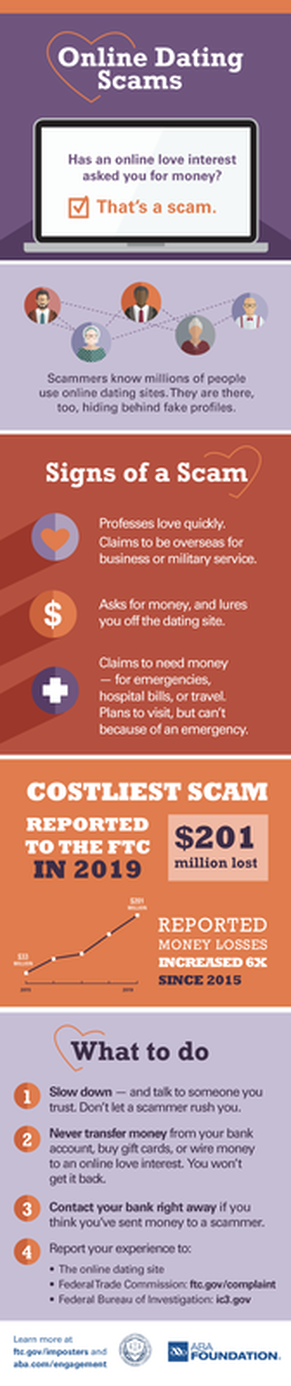
New Federal Trade Commission data from the agency’s Consumer Sentinel Network show that consumers reported losing $201 million to romance scams in 2019—up nearly 40% since 2018.

Romance Scams InfographicRomance scammers prey on consumers who are looking for love, converting what feels like a budding relationship into an ask for money to help the scammer get out of some manufactured crisis. The stories and feelings can be compelling, and the losses can be huge.

In 2019, more than 25,000 consumers filed a report with the FTC about romance scams, and over the past two years total reported losses to romance scams were higher than to any other scam reported to the FTC.
A new blog post from the FTC has more information about the scams, including tips for recognizing a romance scam, along with a new infographic highlighting the latest data.

More information is also available on the FTC’s romance scam page, as well as in a video. Information about FTC complaint data can be found at ftc.gov/exploredata, and consumers can file a complaint at ftc.gov/complaint.

The Federal Trade Commission works to promote competition, and protect and educate consumers. You can learn more about consumer topics and file a consumer complaint online or by calling 1-877-FTC-HELP (382-4357). Like the FTC on Facebook, follow us on Twitter, read our blogs, and subscribe to press releases for the latest FTC news and resources.

CONTACT FOR CONSUMERS: Consumer Response Center. 877-382-4357
Picture
0 Comments

Timely Warning -- Don't Get Catfished by your "Valentine"

2/11/2020

0 Comments

 
Don't get catfished by your Valentine

Valentine’s Day is almost here, love is in the air, and the Oregon Division of Financial Regulation warns, don’t get catfished.

Recently, an 80-year-old widower was catfished out of $200,000. The unidentified fraudster stole a Florida woman’s identity to befriend the Oregonian through an online dating service and persuaded him to send money for a business opportunity.

Over several months, the con artist convinced the elderly man that they were in a long-distance romantic relationship, and proposed an opportunity to support an art gallery in Florida.

The scammer pretended to seek investors to cover $5 million in transportation costs to ship a 500-ton marble lion sculpture from China. The con artist promised that investments would be returned plus a percentage of the profits from the sale of the sculpture.

The widower even received fabricated documents detailing the contract with the museum and bank statements. Relying on the documents and his romantic relationship, the victim made a series of payments over five months to various individuals and overseas bank accounts totaling more than $200,000.

The widower lost his entire investment and investigators have been unable to locate the scammer.

“Romance scams typically target older individuals, gain their trust, then ask for money through social media and dating websites,” said Andrew Stolfi, division administrator. “Unfortunately, victims often wire funds overseas or to third-party transfer agents, making it difficult to track the money and identify the con artist.”

The division encourages consumers to do their homework before making any investment. Protect yourself from getting catfished or falling for an investment scam by following these tips:

  • Do not send money to anyone you have not met in person, and be cautious about sharing personal or financial information.
  • Do not transfer money to unknown people or intermediaries. If you need to use a third party to send money, use a licensed money transmitter.
  • Keep copies of all communications with scammers and report them to the division, the online dating site, the local police, the Federal Bureau of Investigation, and the Federal Trade Commission.
For more information and tips about investing, visit dfr.oregon.gov/financial/investments.
Consumers can also contact the division’s advocates at 888-877-4894 (toll-free) to ask questions, file complaints, or check the license of a company or advisor.

0 Comments

Coal in Your Stocking All Year Long -- Radical Pro-Corporate Justices Ignore and Gut Your Constitutional Rights to Protect Corporate Profits

12/24/2019

0 Comments

 
Excerpt from a must-read piece in Slate about the Supreme Court justices who love to pretend to just call balls and strikes while actually being totally in the tank for corporations against real people -- click title below to read the whole thing:

"The Decade Class Actions Were Gutted." by Mark Joseph Stern

The Supreme Court's radically un-conservative "conservative" majority is a major cause of Americans' rising cynicism and distrust in government -- not everyone can recite the cases or describe the legal backflips and somersaults that these justices twist to reach their desired results, but the effect is clear and unmistakable throughout the country: the courts in America are hostile to ordinary Americans and they are peopled by judges who see their job as doing whatever is necessary to close the doors to the courthouse to real people while slavishly serving corporate wrongdoers.

It’s no secret why employers and corporations love arbitration: The process is a raw deal for the little guy. The arbitrators who preside over these cases may not be bound by substantive law, meaning victims can’t get the damages they’d get in actual court. Nor are arbitrators constrained by the procedural safeguards of the judicial system. The company accused of wrongdoing generally gets to choose the venue, which may be far away from the victim’s home. Victims must pay their own way, not just for travel but for legal representation. Arbitration outcomes are frequently confidential, but all available data suggests that victims fare poorly.

Recognizing that the deck is stacked against them, countless victims do not even attempt to arbitrate when they’ve been swindled. This choice, sadly, might be a rational one. Individually, employees’ injuries may not amount to much—a few hundred dollars, say, in a typical case of wage theft, when an employee claims an employer failed to pay them money they were owed. A class-action lawsuit would be the most logical way to recoup that money, in light of how small the individual claims are.Who would spend thousands of dollars in legal fees to recover hundreds of dollars in backpay? And that, of course, is the point. Companies know that if you can’t sue collectively, you probably won’t file claims at all.

The original sin here is a law called the Federal Arbitration Act or, more accurately, the Supreme Court’s misinterpretation of the FAA. Congress initially intended this measure, which was passed in 1925, to help speed up commercial disputes between businesses. Scholars have persuasively demonstrated that the law was never meant to apply to employment or consumer contracts, or to curb states’ ability to regulate these contracts.

But beginning in the 1980s, corporate attorneys began to persuade courts that the law was, in fact, a loaded gun aimed at class-action litigation and access to the courts. A young lawyer named John Roberts spearheaded this effort, so it is no surprise that, as chief justice of the United States, he has helped enshrine this warped conception of the FAA into law. In an early case, 1984’s Southland Corp. v. Keating, the court began to reinvigorate the FAA; it threw out a class-action lawsuit brought by 7-Eleven franchisees against their parent company for fraud, ruling that the FAA supplants state law. The court built upon that flawed decision in 2001’s Circuit City v. Adams, allowing Circuit City to force its workers into arbitration if they tried to sue. . . .

0 Comments

More on the Market Success that is Killing Americans

12/17/2019

0 Comments

 
Sometimes people say that health care in the US is an example of "market failure" because health care has few, if any, of the traits that economists say make for fair markets where competition leads to optimal outcomes (lots of willing buyers who are able to walk away from a bad deal, lots of willing sellers competing for the business of the willing buyers, transparency in pricing, absence of monopoly control, etc.).

But calling the US health care a "market failure" is dumb, because it misses what game the Medical-Industrial Complex and Big Pharma are playing -- what they actually do and want to maximize.

Hospitals (even nominally "nonprofit" hospitals), labs, and especially drug companies are highly successful in what they do that they care about, which is the money markets.  It's absurd to say US health care is a market failure when they provide a globally vastly inferior product while still commanding the highest prices by a long shot. If that's failure, it's the kind of failure every other business would like to have.

They are screaming successes at making money, and any "health" benefit is incidental to them - indeed, health hurts their business model, which is why they prioritize new, patentable products and treatments rather than prevention and changing the ways we live (and expose ourselves to pollutants) to enjoy greater health.  They have erected enough barriers to competition and built such expensive entry tolls for health care practitioners that very few can refuse to become indentured servants to the "health care" industry or question its practices.

The "health care" system is the single biggest consumer ripoff in America today.
But it's definitely not a "market failure" -- it's just the screaming success that kills.

0 Comments

Oregon tries some transparency around Rx prices that are killing people

12/17/2019

0 Comments

 
Stories and stats from Oregon’s Prescription Drug Price Transparency Program

Salem – The Oregon Department of Consumer and Business Services released its first report to the Legislature on prescription drug prices in Oregon. The program is the first in the United States to gather and publicly disclose comprehensive data about prescription drugs.

Before the report was finalized, a public hearing was held in November where Oregonians shared stories of how the cost of drugs affects their lives.

One story came from a nurse who helps patients with diabetes:

“I often found my patients would simply go without their diabetes medications because they could not afford them. We had a pharmacy at our safety net clinic that could provide lower cost medications, but even with our lower prices, many patients could not afford insulin and other diabetes medications.”

Another was from an Oregonian who cannot retire because of the cost of prescriptions:

“My spouse needs to take Eliquis, 5 milligrams, twice-a-day. A 90-day supply costs $1,343. Again, why so much? My spouse has nine different prescriptions that have to be taken. Another costs $400 for a 30-day supply. My spouse is retired, and Social Security is only $1,200 a month. I continue to work to receive insurance benefits to cover those drug costs. I cannot retire until my spouse dies; I can’t afford to.”

“The stories we received were heartbreaking, emotional, and insightful,” said Andrew Stolfi, Oregon insurance commissioner. “The data taught us a lot, and the consumer stories confirmed exactly why this program matters for all Oregonians.”

The report reveals several findings and provides recommendations for legislative changes to reduce the effect of rising prescription drug costs.

Findings include:
  • U.S. prices are typically five times more than the highest price globally for prescription drugs reported to the program. For example, the median price for cardiovascular drugs reported to the program was $580, while the majority of prices in other countries ranged from $5 to $164.
  • Most of the annual price increases reported to the program range from the reporting minimum of 10 percent to approximately 20 percent. Manufacturers attribute these increases to rebates, the use of co-pay assistance programs, obligations to shareholders, research and development costs, and other related factors.
Recommendations include:
  • Patient assistance reporting for new prescription drug reports – New drug reports currently do not include any patient assistance information, despite several new drugs coming to market with patient assistance.
  • Transparency across the pharmaceutical supply chain – The price of a prescription drug is influenced by several factors, including the interactions and financial negotiations between pharmaceutical supply chain entities. These entities can influence the price paid at the pharmacy counter, the cost of health insurance premiums, and how prescription drugs contribute to overall health care costs.
The program will continue to build upon the information received in the first year to improve the program for the future and to continue to understand the effect of drug prices and costs. As more information is received, the program will engage in analyses to inform policies to reduce the cost of prescription drugs to Oregonians.
All Oregonians can access the report and view the public hearing by visiting the program’s website.

All Oregonians are encouraged to report an increase in the cost of their prescription drugs or share their story one of four ways:
  • Email [email protected]
  • Call 833-210-4560 (toll-free)
  • Online consumer price increase report
  • Share your prescription drug price increase story
For more information, visit dfr.oregon.gov/drugtransparency.

0 Comments

COPY, PASTE, LEGISLATE -- Great Exposé on Auto Dealers Seeking to Avoid Liability for Selling Dangerous Used Cars

12/4/2019

0 Comments

 
Great investigation and reporting effort about how used car dealers put profits over peoples' lives and how they use their profits to buy power in state legislatures, which gives them a chance to sneak through legislation that immunizes them from liability for selling actual killer products. 

This is just another example of how our corrupted system of influence buying through campaign contributions threatens all Americans with a return of the "buyer beware" sales practices  that consumer protection legislation and civil suits have helped fix.

COPY, PASTE, LEGISLATE

Used car dealers didn’t want to fix deadly defects, so they wrote a law to avoid it
By Rui Kaneya with Pratheek Rebala, Center for Public Integrity

Carlos Solis never knew he was driving with a “shrapnel bomb” inside his steering wheel.

The 35-year-old father of two was waiting to make a left turn on a suburban road outside Houston when another car struck the front end of his Honda Accord, triggering its airbags.
Instead of protecting Solis, the defective airbags shot a piece of metal into his neck and severed his carotid artery, killing him within minutes.

Solis knew nothing about the danger: A used-car dealer sold him the car without fixing the airbags or warning him that Honda had recalled the vehicle three years earlier, according to a lawsuit filed by his family.

By the time Solis was killed in 2015, similar accidents were piling up nationwide amid an unprecedented series of recalls for an array of dangerous defects – from shrapnel-flinging airbags to ignition switches that shut off engines.

For auto dealers, the string of accidents was a warning sign of what was to come: a barrage of lawsuits filed against them for selling recalled used cars without fixing them first.

Auto dealers came up with a plan to preempt the problem.

They crafted what’s known as “model legislation” that would allow them to continue selling recalled used cars, so long as they disclosed open recalls to customers somewhere in a stack of sales documents. They then turned to their army of lobbyists – more than 600 on call in 43 states – to help get the measure passed, one state at a time.

The effort is paying off.  (read the rest here)

The success of auto dealers’ effort is a case study in how special interest groups with deep pockets go from state to state with model legislation – copy-and-paste measures that can be handed to friendly lawmakers in any state – to get the policies they want, often with little public scrutiny and sometimes with tragic consequences.

During a two-year investigation, the Center for Public Integrity, USA TODAY and the Arizona Republic found thousands of similar pieces of legislation and retraced a number of them to their root. Many were written by corporations or special interest groups that stood to benefit directly. Some are pitched as public-service measures.

SIDEBAR: This story was produced as part of a collaboration between USA TODAY, the Arizona Republic and the Center for Public Integrity. More than 30 reporters across the country were involved in the two-year investigation, which identified copycat bills in every state. The team used a unique data-analysis engine built on hundreds of cloud computers to compare millions of words of legislation provided by LegiScan.
In the past five years, versions of auto dealers’ copycat bill have been introduced in at least 11 states – California, Illinois, Maryland, Massachusetts, Missouri, New Jersey, New York, Oregon, Pennsylvania, Tennessee and Virginia. So far only Tennessee and Pennsylvania have adopted them, but Massachusetts, Missouri, New Jersey and New York still have measures under consideration.
0 Comments

Tips on Spotting Phony Debt-Collectors Trying to Scam You

11/25/2019

0 Comments

 
0 Comments
<<Previous
Forward>>

    RSS Feed

    Author

    John Gear Law Office -
    Since 2010, a values-based Oregon law practice serving Oregon consumers, elders, employees, and nonprofits.

    Categories

    All
    Advertising
    All
    Arbitration
    Autofraud
    Bankruptcy
    Borrowing
    Class Actions
    Consumer Law
    Consumer Protection
    Consumer Protection Class Actions
    Credit
    Credit Reports
    Debt
    Debt Collection
    Elder Abuse
    Elders
    Employment
    End Of Life
    Fairness
    Fdcpa
    Foreclosures
    Fundraising
    Funeral
    Games Car Dealers Play
    Garnishments
    Great Stuff
    Health Care/Insurance
    Identity Theft
    I (heart) Liz Warren
    Insurance
    Lawyer Referral Service
    Legal Resources
    Lemon Law
    Life Planning
    Long-term Care Facilities
    Media
    Military
    Military Assistance Panel
    Modifications
    Mortgages
    N.A.O.
    Nonprofits
    Oregonadminrules
    OregonLaws.org
    Plain English
    Preparing For Departure
    Privacy
    Pro Bono
    Regulation
    Resources
    Right To Repair
    Safety
    Scam
    Scams
    Strategic Planning
    Student Loans
    Tort Reform
    Training
    Used Cars
    Veterans
    Wage Garnishment
    Wage Theft
    Warnings
    Warranties
    Watchdogs
    Workplace

    Archives

    December 2022
    November 2022
    October 2022
    September 2022
    August 2022
    July 2022
    June 2022
    May 2022
    April 2022
    March 2022
    February 2022
    January 2022
    December 2021
    November 2021
    October 2021
    September 2021
    August 2021
    July 2021
    June 2021
    April 2021
    February 2021
    January 2021
    December 2020
    November 2020
    October 2020
    September 2020
    August 2020
    July 2020
    June 2020
    April 2020
    March 2020
    February 2020
    December 2019
    November 2019
    October 2019
    September 2019
    August 2019
    July 2019
    June 2019
    May 2019
    April 2019
    March 2019
    February 2019
    January 2019
    December 2018
    November 2018
    October 2018
    September 2018
    August 2018
    July 2018
    June 2018
    May 2018
    April 2018
    January 2018
    December 2017
    November 2017
    October 2017
    September 2017
    August 2017
    July 2017
    June 2017
    May 2017
    April 2017
    March 2017
    February 2017
    January 2017
    December 2016
    November 2016
    October 2016
    September 2016
    August 2016
    July 2016
    June 2016
    May 2016
    April 2016
    March 2016
    February 2016
    January 2016
    December 2015
    November 2015
    October 2015
    September 2015
    August 2015
    July 2015
    June 2015
    May 2015
    April 2015
    March 2015
    February 2015
    December 2014
    November 2014
    October 2014
    September 2014
    August 2014
    July 2014
    June 2014
    May 2014
    April 2014
    March 2014
    February 2014
    January 2014
    December 2013
    November 2013
    October 2013
    September 2013
    August 2013
    July 2013
    June 2013
    May 2013
    April 2013
    March 2013
    February 2013
    January 2013
    December 2012
    November 2012
    October 2012
    September 2012
    August 2012
    July 2012
    June 2012
    May 2012
    April 2012
    March 2012
    February 2012
    January 2012
    December 2011
    November 2011
    October 2011
    September 2011
    August 2011
    July 2011
    June 2011
    May 2011
    April 2011
    March 2011
    February 2011
    January 2011

    RSS Feed

Picture

Lawyerly Fine Print:

John Gear Law Office LLC and Salem Consumer Law.  John Gear Law Office is in Suite 208B of the Security Building in downtown Salem at 161 High St. SE. That is right across High Street from the Elsinore Theater, a half-block south of Marion County Courthouse.

John Gear is only licensed to practice law in Oregon. This site may be considered advertising under Oregon State Bar rules. There is no legal advice on this site so do not take anything you read here as advice for your particular problem or situation. And I do not represent you and I am not your attorney unless you have hired me with a representation agreement. While I do want you to consider me when you seek an attorney, you should not hire any attorney based on brochures, websites, advertising, or other promotional materials.  All original content on this site is Copyright John Gear, 2010-2025.

Photos from Tony Webster, brand0con, eirikso, Fibonacci Blue, Jirka Matousek, Rd. Vortex, rcbrazier - Brazier Creative, cogdogblog, marfis75, marcoverch, GWP Photography, byzantiumbooks, Mic V., notacrime, emrank, Family Art Studio, dotpolka, respres, Mark Cummins, a little tune, Insulinde, Bill Wards Brickpile, Roger Chang, AnthonyMendezVO, jonrawlinson, Andres Rueda, Franco Folini, inman news, Pictures by Ann, ph-stop, crabchick, Jilligan86, Elvert Barnes, p.Gordon, CarbonNYC, Digital Sextant, darkpatator, Neil T, rictic, Mr. Mystery, SeanC90, richardmasoner, www.metaphoricalplatypus.com, lindsayloveshermac, Santacreu, =Nahemoth=, ReinventedWheel, LadyDragonflyCC - On Vacation, See you all soon!, Mr. T in DC, Nisha A, markcbrennan, Celestine Chua, Furryscaly, smkybear, CarbonNYC, radioedit, Don Hankins, Henrik Hovhannisyan, CoreBurn, Mike Licht, NotionsCapital.com, David Masters, SeeMidTN.com (aka Brent), SoulRider.222, amboo who?, robwest, Rob Ellis', floeschie, Key Foster, TechCocktail, That Other Paper, marcoverch, oskay, Muffet, rodaniel, Alan Cleaver, Mike Licht, NotionsCapital.com, Horia Varlan, xJasonRogersx, billaday, BasicGov, One Way Stock, mikebaird, Nevado, shalf, Daniel Arauz, Fibonacci Blue, See-ming Lee (SML), BLW Photography, og2t // ou gee tew tee, mitchell haindfield, striatic, cafecredit, MarkC333, Neubie, NashvilleCorps, digitalbookmobile, mrmaccc, sunset_removals