Picture
Note the attempts to make it seem to come from a government source
The folks who prey on the elderly -- the Elderscammers -- never tire of trying to make their scam letters appear to come from an official source (anything that will get you to open them).  When you get mail in an envelope that looks like this, your best bet is probably to recycle it immediately without even opening it.

If you are really torqued about their deceptive technique and want to make it a bit more expensive for them, here's one thing you can do:  Open the envelope, but only so that you can find out if there is a postage-prepaid "Business Reply Envelope" inside (there often are).  If there is a BRE, take a dark marker and write "STOP SENDING ME JUNK" on the reply card, and draw a big X over the part where they want you to give them all your personal information.  Then stuff everything they sent you into the BRE, seal it, and drop it in the mail.  This has proven remarkably effective at getting them to stop sending me any such junk.  Sadly, all my elderly neighbors and friends keep me well supplied in examples of this kind of scam.  (This one was another come-on for funeral expenses insurance, the biggest ripoff this side of waterline insurance plans.)


Should have a Skull-and-Crossbones watermark
Mixed in with the many honest businesses, I'm sad to say that there are a TON of ethically challenged businesses out there too.  They especially prey on elders, offering them outrageously overpriced goods and services, using all the time-tested tricks of the trade, trying to make it look like they are doing you a favor, and that you might have to "qualify" to do business with them -- when the only qualification is excessive trust in strangers by you, and a willingness to give out private information to total strangers.  These people will use any information they can get to take advantage of you (and they will sell and trade that information to similarly exploitation-minded outfits -- along with the key fact, that you were so foolish as to respond to their mailing).

There's a good saying that "Good deals don't call you on the telephone" and the same goes in spades for junk mail like this.  Honest businesses don't try to make money off you by selling you wildly overpriced insurance.  I wish there was a way to require outfits like this to put a skull-and-crossbones watermark on every page of every letter they send out, because then you'd have a chance of realizing what pirates they are.


Picture
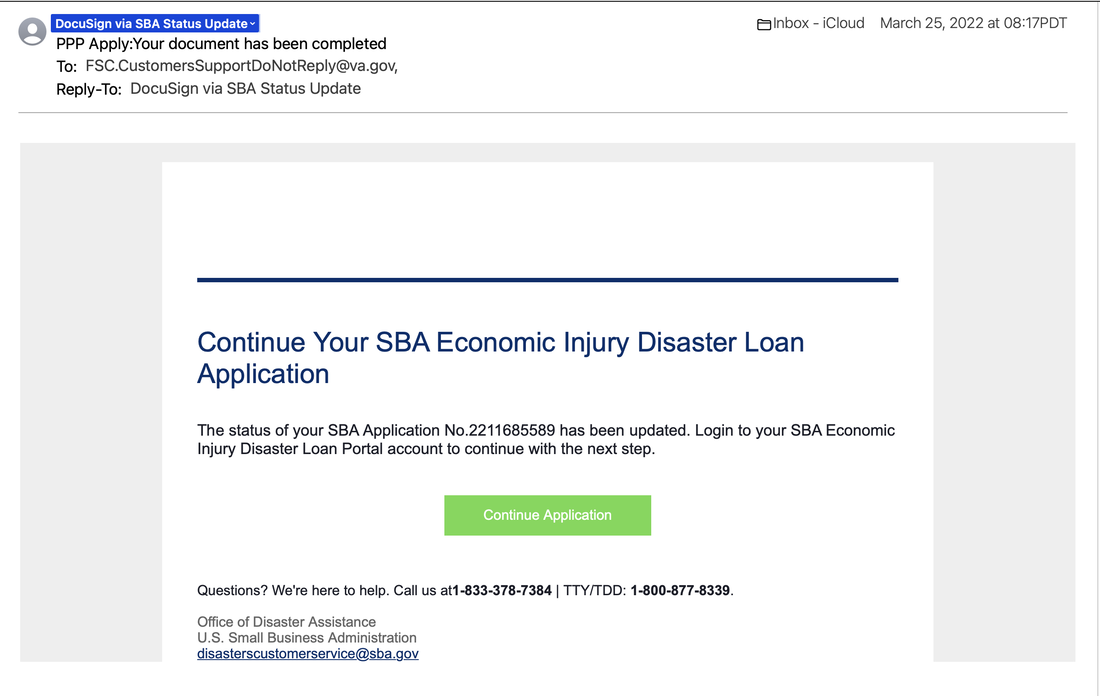
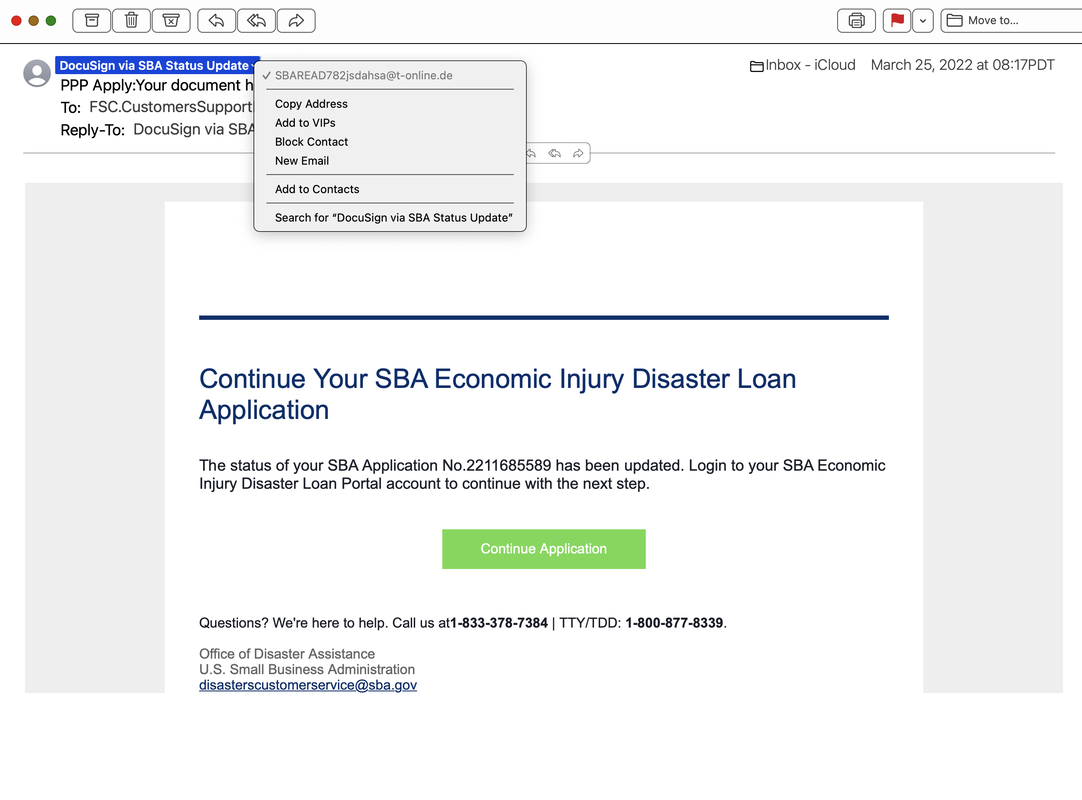
Take special notice of how this works:  you get a very official looking email from "Service@paypal.com" --

And that address (Service@paypal.com) is all that appears in the email reader. 


It's only when you right-click on it to make it reveal the full address is the bogus actual address (peypal.com) revealed ... and some folks would miss the shift anyway (peypal vs. paypal).  "Phishing" is where the scammer doesn't steal your information directly -- rather, the scammer "fishes" for information in such a way as to lure you into GIVING it to him/her.  Don't fall for it!

Remember, simple online safety rule #1:

Observe the same safety precautions online as you do on the telephone.
Just as you would never give out personal information to someone who called you (RIGHT??), you should never give account information about yourself or your digital world to anyone who initiated the contact with you, particularly through an email.


Picture
I'm skeptical of any bright-line rule that says that a nonprofit is no good because it spends too great a percentage of its revenue on administrative overhead.  In fact, what I tend to see is the exact opposite:  nonprofits that starve their administrative side in an effort to please the raters, which only sets them up for terrible problems of the gravest sort, including embezzlement, failure to find or retain good people, employment and wage claims, etc.  The bottom line is that nonprofits are small businesses, and running small businesses is not easy, especially newer and smaller ones.  So bright-line cutoffs are usually to be taken with a big grain of salt.

Ok, that said, here are some outfits that require a charitable interpretation of the word "charity" just to be considered as one.  In other words, these aren't close -- these are the stinkers that cause good nonprofits such problems, because when the public gets a whiff of these stinkers, all nonprofits get a bad name.  The best thing to do with this list is check it before you write your end-of-year gift checks -- and make sure you avoid these outfits.  I'll just give the top three -- download the full list of 20 below.

Organization    
                                                Average Annual                                  Percent Spent
                                                                                    Expenditures                                     Charitable Cause

Law Enforcement Education Program             $2,299,994                                     2.7%
Troy, MI

Shiloh International Ministries                              $846,340                                                     3.2%
La Verne, CA

American Medical
Research Organization                                         $783,217                                                     4.2%
Sarasota, FL

(I'm pleased to note that there are no Oregon nonprofits among this "Worst 20" list, although sad to see several in Everett, Washington.)


attorney_generals_20_worst_charities_2012.pdf
File Size: 100 kb
File Type: pdf
Download File


Picture
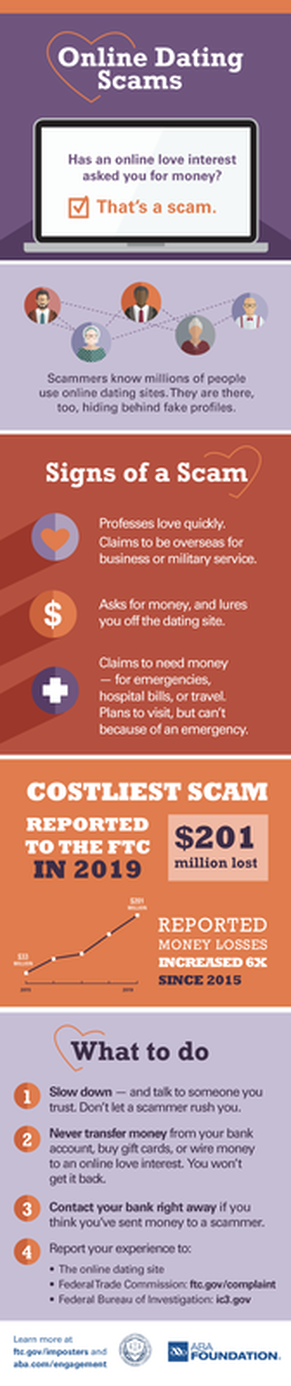
Good warnings here at the excellent "Time Goes By" blog.


Picture
My elderly neighbor called me today with a question about a man who had approached her while she was raking leaves.  He offered to remove the moss from her roof for $150 -- told her he would remove all the moss and leaves, and haul everything away and put an "EPA-Approved" chemical on the roof to keep the moss from coming back.

Luckily, my neighbor is getting wily and she had the sense to tell the guy that she needed to check on him -- she called me, and some things she told me about the guy didn't add up, so I looked for a Construction Contractors Board registration, and I found that he was not a registered landscape contractor even though he was going under the name of a landscaping company (which show up under CCB).  I also called the Attorney General's Consumer Protection officeMore importantly, the guy also shows up in the photo listings of Marion County parole violators.

The take-home lesson:  NEVER let anyone start working for you, especially on your roof or inside your house, without checking on them first.  (You don't want an unlicensed, uninsured person up on your roof, even if they don't intend to rip you off.) 
Also, never do a handshake deal with a door-to-door service provider; make them give you a written contract showing exactly what they are going to do for you and how much it will cost.  If a business is so fly-by-night to not even have contract forms, they are obviously too fly-by-night to hire.  (Conversely, don't be fooled by slick brochures and spiffy forms -- just because they have a truck with signs and matching shirts and slick materials doesn't mean that they aren't also crooks.)

BOTTOM LINE:  Every legitimate service provider -- whether it's a pressure wash of your driveway or removing moss from your roof or washing your windows -- will not object if you say that you want to take their business card and you will call them back if you decide to hire them after you've had a chance to check them out.  Anyone who insists that they're only going to be in your neighborhood today, or that their registration is "too new to show up" or that they'll be too busy to come back later is setting you up.  Send them packing, and call the Construction Contractors Board and the Attorney General to report them. 


Picture
It's disgusting that there are plenty of people who crawl out of their holes after every natural disaster and prey on people whose generosity and concern for others causes them to overlook the warning signs that they are being scammed.  But there it is.  So don't be one of the scammed.


Picture
So, this is interesting.  Because I've posted warnings for consumers (such as here) about the perils of entrusting your household goods to one of the many scammers who infest the interstate moving game, some sloppy online marketing company apparently thinks I'm a moving company (see screenshot of email, click on it to enlarge it). 

That email may not seem like much, but it's really quite revealing:  it shows that, when you do a typical Google search for long-distance moving companies, the sites you are most likely get from your search are precisely those sites where the scammers buy their leads (that would be you).  They buy leads from these facade websites, and when you call them, you don't realize that you're already halfway to being scammed.

The only surefire way I know of to avoid these moving scammers is to NOT find your mover via an internet search; I'm afraid it's just asking to be ripped off.

Remember:  The interstate moving game is entirely unregulated Somalia hiding in plain view in the middle of America.  Every year, thousands of Americans are victimized, and they shake their heads and wonder how it's possible that there are organized crime gangs operating in interstate commerce in America and the feds do nothing.  Long story short, we're getting another taste of the bitter harvest from the deregulation mania, the delusion that if streamlined, smart regulation is good, no regulation at all must be even better.  When the Gingrich Congress killed the Interstate Commerce Commission, they killed the only agency with a mandate to prevent the interstate moving scams; in theory the FBI should be on the case, but they're too busy infiltrating peaceful demonstrations. 


Bottom line:  You have no reliable protection from any government against these scammers.  You're on your own, so the only smart thing to do is avoid them in the first place.  Ask anyone who's been ripped off by the moving scammers; they'll tell you that it's much better to pay more up front to a reputable mover than to pay the same or even more to the scammer who may or may not eventually decide to give you your goods back after a anguishing months- or even years-long battle.


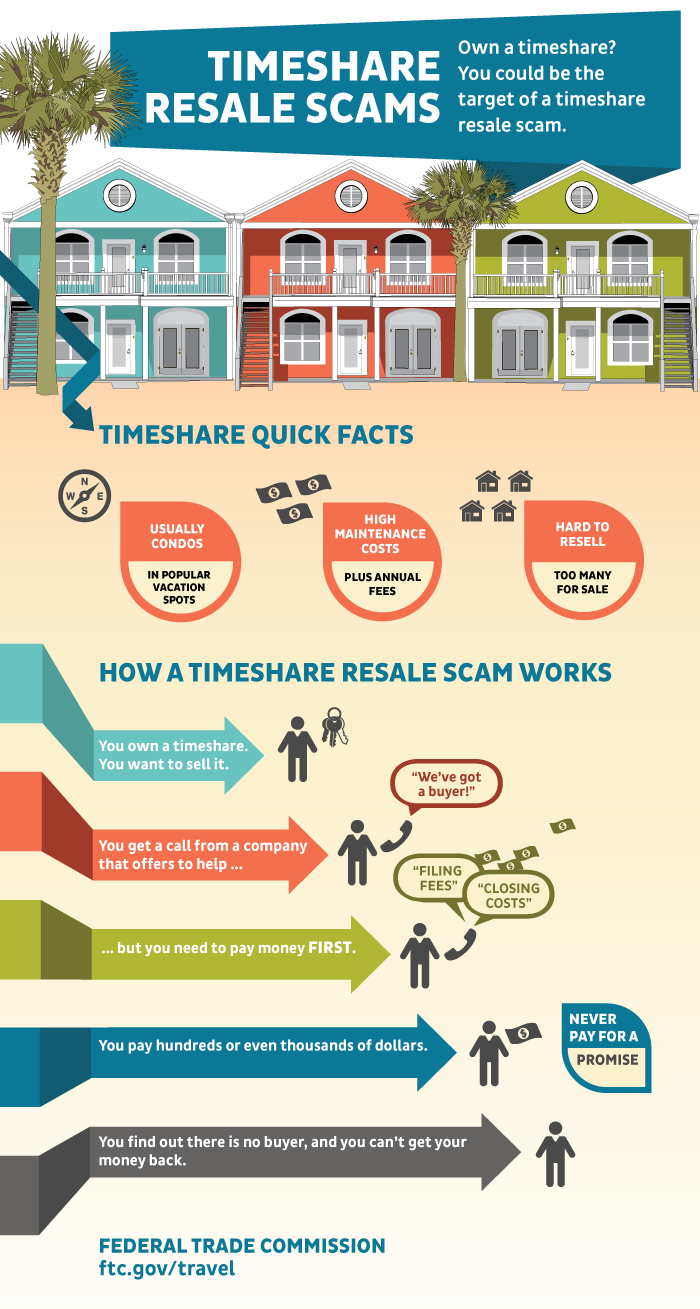
Summertime is when people like to move. That's also when scam moving companies like to catch big fish.  Don't be one of them
 
 
Picture
Boy, maybe the only thing worse than falling for a scam is having passed it onto your family and friends!  See this report from Consumerist:

We recently told you about scammers tricking consumers into sharing sensitive information by telling them a federal stimulus plan will pay their power bill for a month; they just need your SSN and bank routing number. If you think that no one would fall for such an obvious ruse, then you might be surprised to know that not only were thousands of people in New Jersey taken in by the scam, but they passed it along to their friends because they thought it was a good deal . . .


The basic rule is this:  Whenever anyone contacts YOU, NEVER give them any information (account numbers, your birthday, or social security numbers, etc.) that they could use to steal your identity.  No reputable business calls you and asks for this info, or sends you an email asking for it.  Only share such sensitive information over the phone (if ever) when you call a business that you have found in a reputable public directory.


John Gear Law Office LLC; 503-339-7787; John@JohnGearLaw.com. My office is in Suite 208B of the Security Building in downtown Salem. That's at 161 High St. SE, across from the Elsinore Theatre, just a block south of Marion County Courthouse. There is abundant, free, 2-hour on-street parking throughout downtown. #### #### #### Lawyerly fine print: Licensed in Oregon. This site may be considered advertising under Oregon State Bar rules. There is no legal advice given or intended on my site. I'm not your attorney unless we have met in person and entered into a representation agreement; while I hope you will consider me when you seek an attorney, you should not hire any attorney based on brochures, websites, advertising, or other promotional materials.